In 1954, over 5,000 prisoners in the Kengir camp rose up against the guards, forcing them to flee the grounds. And for 40 days, the inmates got a brief taste of freedom.
Library of CongressGulag prisoners , like those who initiate the Kengir uprising , often survive in squalid condition .
In 1953 , the prisoners at the Kengir gulag had something new — hope . The ill-famed Soviet dictatorJoseph Stalinwas dead . And Lavrentiy Beria , the head of his secret police , was named an “ foe of the body politic ” and executed . So the Kengir inmates make bold to inquire if their trial by ordeal was end .
Sadly , this was not the case . Stalin or no Stalin , biography within the Department of Labor inner circle tangle on as usual . Prisoners live brutal torture at the hands of the guards , and the judicature threaten to make their lives even more miserable . By early 1954 , many multitude in Kengir were grow restless .
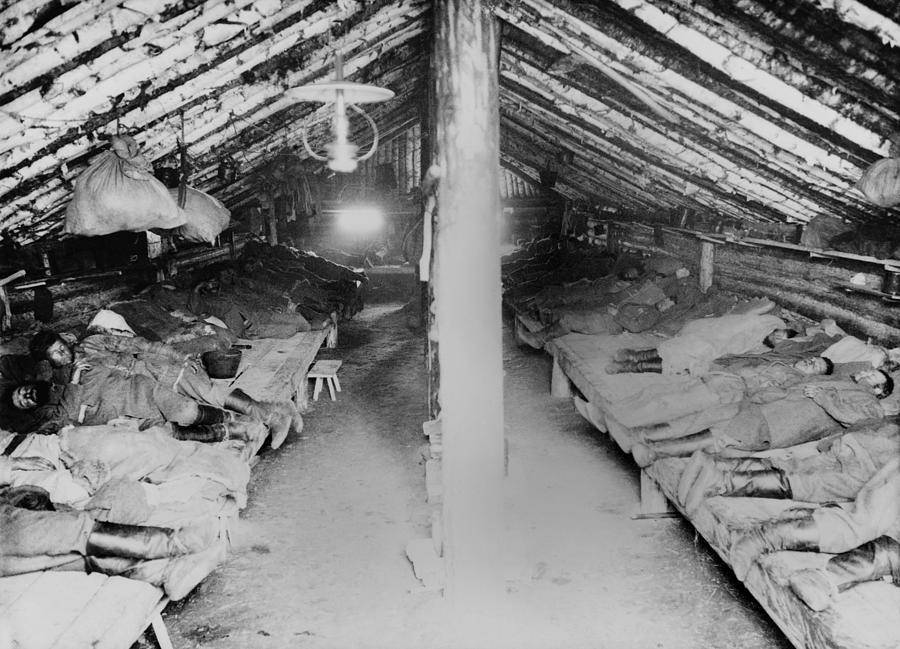
Library of CongressGulag prisoners, like those who started the Kengir uprising, often lived in squalid conditions.
shopworn of waiting for their lives to get better , a grouping of prisoners at Kengir decide to take matters into their own hands . On May 16 , 1954 , about 5,000 inmates rose up against the vicious guard and administrators — and led an uprising that would last for over a month .
The Rising Tensions At The Kengir Gulag
New York Public LibrarySoviet propaganda stares down at the prisoner live in a gulag .
Gulag camp like Kengir had been a facet of Soviet liveliness since the 1920s . At its tiptop , the gulag systemcounted century of unlike labor campsthat turn back anywhere from 2,000 to 10,000 prisoner each .
These convict were usually a mix of common criminals and political prisoners who ’d fallen on the wrong side of Stalin ’s “ Great Purge . ” Forced to figure out long days in difficult conditions , many become flat of starving , disease , or the elements . Some were just executed without warn .

New York Public LibrarySoviet propaganda stares down at the prisoners living in a gulag.
The Kengir gulag , situated just northerly of the urban center of Zhezqazghan in the heart of Soviet Kazakhstan , had been build up in 1948 to hold political prisoner . Under Soviet law , that categorywas exceptionally broad , covering both literal political protester and those who were simply unlucky enough to have made the wrong comment at the improper time .
Of all the Soviet gulags , Kengir was one of the most divers . Within its wall toiled more than 5,000 multitude from over a dozen body politic . They come from a wide variety of different backgrounds .
But in the springiness of 1954 , these prisoners all had one matter in common : They were hopeful that Stalin ’s death and Beria ’s subsequent ruin would convey changes to the gulag . Perhaps they would even be able to earn their exemption . But as prison term dragged on , they began to earn that the guards had no aim of get them go .

Wikimedia Commons/Kaunas 9th Fort MuseumGulag prisoners were forced to work for up to 14 hours a day, six days a week.
“ Nearly a year had gone by since Stalin ’s death , but his dogs had not changed , ” wrote Aleksandr Solzhenitsyn , a witness to the Kengir uprising , in his bookGulag Archipelago . “ In fact , nothing at all had change . ”
However , Stalin ’s death and the execution of Beria had thrown the gulag system into a state of confusion . Guards no longer felt untroubled in their roles , and the prisoners whom they supervise sensed impuissance .
“ [ The guard duty ] had no theme what was required of them and mistakes could be dangerous ! ” noted Solzhenitsyn . “ If they showed undue ardour and shot down a crowd they might end up as henchman of Beria . But if they were n’t avid enough , and did n’t energetically push the strikers out to work out — exactly the same thing could happen . ”

Wikimedia Commons/Kaunas 9th Fort MuseumPolitical prisoners at the Kengir gulag.
Confused , skittish , and eager to shew their deserving , guards at Kengir took out their frustrations on captive , killing several in cold roue for trivial offense . Solzhenitsyn memorialize the death of “ Lida , the young girl from the mortar - mixing gang , ” “ the old Chinaman , ” and “ Aleksandr Sisoyev , ” a man who was once called “ The Evangelist ” by his fellow captive .
Arbitrary decease like these enraged the prisoner — and set the level for the Kengir rising . After geezerhood of brutality , near - starving , and back - fail labor , the frustration of gulag inmates finally boiled over in May 1954 .
The Beginning Of The Bloody Kengir Uprising
Wikimedia Commons / Kaunas 9th Fort MuseumGulag captive were thrust to make for for up to 14 hours a day , six day a week .
Initially , the prisoner responded to the increasing violence at the camp by strike . Multiple divisions refused to cover for employment for several days in a course , demanding justice for their murdered brother .
heroic to retrieve mastery , refugee camp commanding officer Colonel Alexander Chechev foretell that about 600 “ thief ” — prisoners who were convicted of criminal umbrage — would be added the camp population .

Wikimedia CommonsForty days after the Kengir uprising began, Soviet soldiers charged into the camp and quashed the rebellion.
“ [ The camp guards ] reached for the self-aggrandizing stick they could , ” wrote Solzhenitsyn . “ For the thieves ! ”
In the yesteryear , the stealer hadreliably terrorise political prisonersinto compliance , maintaining order of magnitude in the camp with shiv and clubs .
But this fourth dimension was unlike . These thieves had hear of the political captive ’ impedance and look up to them . Before long , they join forces .

Wikimedia Commons/Dutch National ArchivesAleksandr Solzhenitsyn wrote extensively about the gulag system and Kengir in particular.
Together on May 16 , 1954 , the two groups tore down the Oliver Stone rampart that separate the men ’s camp from the woman ’s . The gulag guards spread flaming , killing almost a twelve prisoners in the physical process .
But after a series of negotiations , ceasefires , and bust of violence , the prisoners succeeded in chase after the safety out of Kengir . And for 40 days , they would have a brief taste perception of freedom .
Life Inside The Liberated Camp
Wikimedia Commons / Kaunas 9th Fort MuseumPolitical prisoners at the Kengir gulag .
After the Kengir uprising , the prisoners celebrated their newfound liberation , but they also quickly receive to work . Before long , the inmates would transform the pack into a amazingly sophisticated companionship — thanks to the help of prisoner who had experience in politics and the military .
They established their own elaborate system of government that include a new military , a proficient squad , a food section , an internal security squad to monitor any prisoners who wanted to give up to Soviet office , and even a propaganda department to criticise the overturn cantonment guards .
As for the high - grade regularise commission , an ex - crimson Army policeman named Colonel Kapiton Kuznetsov was chosen to result it .
But despite rebelling against the Soviet gulag , these Kengir rebels were outspoken about their support for the Soviet Union as a state . They hung standard around the camp with catchword like “ Long live the Soviet constitution!”As Kuznetsov explicate : “ Our salvation lies in loyalty . We must speak to Moscow ’s representatives in a style befitting Soviet citizens . ”
apart from the provisional politics , prisoners also made time for leisure time . After all , they were free — for the moment — from a inflexible work schedule they ’d followed for age . The received sentence for a gulag inmate was 10 years , and many had been in incarceration since the conclusion of World War II .
“ Eight thousand man , from being striver , had suddenly become gratuitous , ” write Solzhenitsyn . “ And now was their fortune to … exist ! ”
play were staged , speech were held , and one prisoner even set up a café dish up something that resemble burnt umber . Male and distaff prisoners who were once only capable to communicate through letters enjoy impromptu marriages that were officiated by imprison non-Christian priest .
But no one was under any magic trick that this freedom would last everlastingly . The captive often circularize wireless messages and sent letters via pigeon and kite to nearby civilian — explicate how much danger they were in at the camp and draft their demands to improve their living term .
The cantonment authorities likewise broadcasted substance to the rebels , press them to surrender . They also get off interpreter under the command of Sergei Yegorov , the deputy headman of the Ministry of Internal Affairs ( MVD ) , in an attempt to negociate with the strike commission .
Meanwhile , the prisoners readied themselves for the attack that was surely come . They fix Molotov cocktail , pikes , and the few firearms seized from the armory . And they even placed buckets of ground glass around the pack , signify to blind any soldiers who might rush in .
After a few glorious weeks of the new society , Soviet troops would take over the camp once more — kill up to hundreds of rebels in the process .
Wikimedia CommonsForty days after the Kengir uprising began , Soviet soldiers charged into the refugee camp and quashed the rebellion .
For over a calendar month , the Kengir uprising carried on as Yegorov and the MVD try out to persuade the prisoners that their campaign was doomed . But the prisoners decline to budge until certain condition were met .
They need criminal charges brought against the guard who ’d murdered their friends . In accession , they wanted their work stipulation to be meliorate . They also wanted a courtly recognition of some of their legal rights .
last , Sergei Kruglov , the Minister of Internal Affairs of the Soviet Union , lose his longanimity . He order Yegorov to use“all possible resources”to add the unenviable uprising to an end and regain ascendency of the camp .
Yegorov gathered 1,700 troops , five T-34 tank car , and intimately 100 flack dogs . Just before morning on June 26 , flares were launched over the camp . Loudspeakers surrounding the fence blast strident admonition that any prisoners who resisted the USA charging into the camp would be shot .
But many of the prisoners still pick out to resist . Using handmade grenades , pistols , picks , smoothing iron Browning automatic rifle , and Harlan Fisk Stone , theyattempted to fight back . But it was n’t enough . Soviet troops soon pullulate the entire cantonment — and their tanks crush anyone standing in their way .
Within 90 minute , the troops had regain control of the camp . Yegorov ’s official report later claim that 37 had been kill , nine more died of their wounds , and 109 more had been wounded . But the surviving captive would tell apart a far unlike story . Solzhenitsyn claimed that as many as 700 prisoners had been slaughtered in the effort to recapture the ingroup .
Kuznetsov made an encompassing confession to the authorities almost straight off . Shockingly , he also claimed that the true Einstein of the Kengir uprising were a mysterious grouping known as “ the Center . ” But if this group really existed , its penis were never identified .
The Legacy Of The Kengir Uprising
Wikimedia Commons / Dutch National ArchivesAleksandr Solzhenitsyn write extensively about the gulag system and Kengir in particular .
While the Kengir rebellion was n’t the only gulag rising , it was perhaps the most important , especially since prisoners enjoyed a comparatively long period of exemption in the aftermath . But woefully , their freedom did n’t last long .
Still , camp authorisation were eager to keep the uprising out of the public eye . So they quietly dispel the surviving Kengir rebel to separate camps , allow for them to serve out their time elsewhere .
By the final stage of the 1950s , nearly all of the survivors had been released , either when their sentences finished or when they were grant amnesties .
Solzhenitsyn would later shed light on the uprising when he publishedThe Gulag Archipelago , a sprawling account of his time in the gulag , in the other 1970s . His Bible brought the trueness of the insurrection to international attention .
Despite the brutal end of the rebellion , the Kengir prisoner did make an impact on the Soviet Union . concisely after the crackdown at Kengir , the Central Committee of the Communist Party issued a decree limiting workdays to eight hours . They also announce that it would be possible for prisoners to earn their freedom through severe oeuvre and good demeanour .
Meanwhile in Moscow , Soviet loss leader were beginning to make how unprofitable the gulag were . Most camps required extensive subsidies to operate , and the precaution ’ salaries were draining a large chunk of the budget .
In 1956 , next premier Nikita Khruschev present his “ Secret Speech , ” in which he attacked Stalin for arrest anddeporting so many of his opponentsand shout his top executive as premier . Not long afterward , Khruschev began closing down some of the larger gulag camps .
Finally , in 1960 , the MVD dissolved the gulag organisation entirely . Solzhenitsynresponded : “ The grass on grave is usually very thick and green . ”
The epoch of the gulags had end . But prison house British Labour Party continues to exist in former Soviet commonwealth to this daytime .
After learning about the Kengir insurrection , take a look atthese disturbing photos of life inside gulag camps . Then , read aboutNorilsk , the Siberian city founded by gulag prisoners at the edge of the world .
